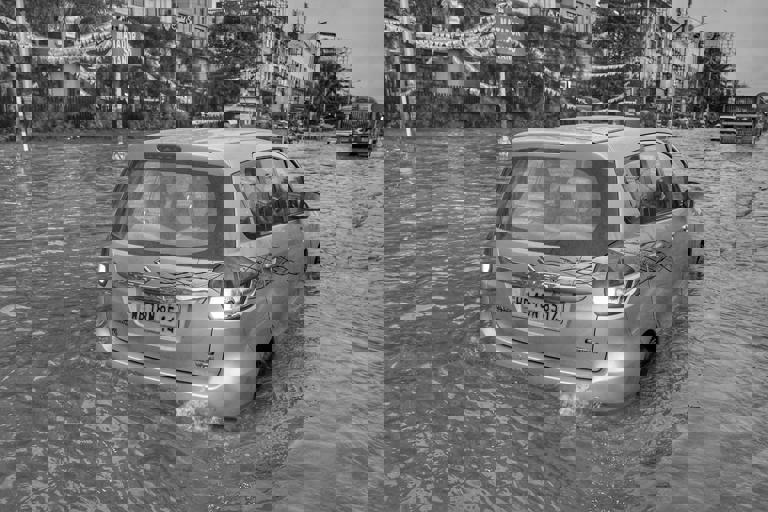
A flood advisory has been declared in several regions across the province as persistent heavy rainfall over the past 48 hours has caused local rivers to swell dangerously. The warning, issued by Environment Canada late last night, cites ongoing precipitation, saturated soil, and elevated river levels that now pose a significant risk to properties in low-lying neighborhoods. Residents in especially vulnerable areas are being urged to prepare for possible evacuations and take precautionary measures immediately to safeguard their homes and families.
According to the Ministry of Natural Resources and Forestry, river gauges in several locations have indicated water levels reaching critical thresholds. In some cases, riverbanks have already been breached, leading to localized flooding of roads and backyards. "We are closely monitoring the situation and coordinating with municipal authorities to deploy resources where they are most needed," stated Michelle Li, a spokesperson with the ministry. Emergency alerts have been disseminated via local radio, television, and social media.
Emergency response teams remain on high alert as forecasts predict continued rainfall through the next 24 hours. Municipal crews have begun rounding up additional staff for overnight shifts and have set up sandbag distribution stations at key locations. “Our primary goal is to protect public safety and minimize property damage," said Fire Chief Brian Matthews. Local fire departments and volunteer groups are working together to assist residents in fortifying their homes with sandbags and temporary barriers.
Multiple residents have already reported water encroaching on their basements and ground floors. Amanda Singh, who lives near one of the affected riverbanks, described the tense situation: "The water is just feet away from our back door. This is the worst we've seen in years, and it's moving fast." Local officials are advising residents to unplug electrical appliances in flood-prone areas and to keep all important documents and valuables in waterproof containers as a precaution.
In anticipation of potential evacuations, community centers and schools have been designated as temporary shelters. The Red Cross and Salvation Army have been mobilized to support displaced families, providing food, blankets, and emotional assistance. These organizations are working in tandem with municipal governments to ensure readiness should the need for large-scale evacuations arise. Health authorities are also preparing contingency plans to assist those with mobility challenges or chronic health conditions.
Meteorologists are warning that conditions could worsen over the next day as an additional 20 to 40 millimeters of rain is expected. “Saturated ground can't absorb much more water, so the excess runoff will go directly into rivers and streams," explained Environment Canada meteorologist Jillian Chau. She underscored the importance of residents staying informed by regularly checking weather updates and advisory notices during this period of heightened risk.
Insurance companies have also been fielding a rising number of inquiries from homeowners concerned about potential flood damage. Many residents are revisiting their policies to confirm coverage for water-related losses. Industry experts warn that not all standard policies include flood protection, advising individuals to double-check their coverage limits. "It's always better to take preventive action now than to deal with costly repairs after the fact," said insurance broker David Choi.
As the situation unfolds, local authorities are asking the public to avoid non-essential travel, especially near rivers and flood-prone zones. Police have increased patrols to help monitor water levels and to respond swiftly in case of emergencies. The community is being praised for its solidarity, with neighbors pitching in to help the elderly and vulnerable. Officials continue to urge vigilance and patience as everyone works together to weather this challenging event.