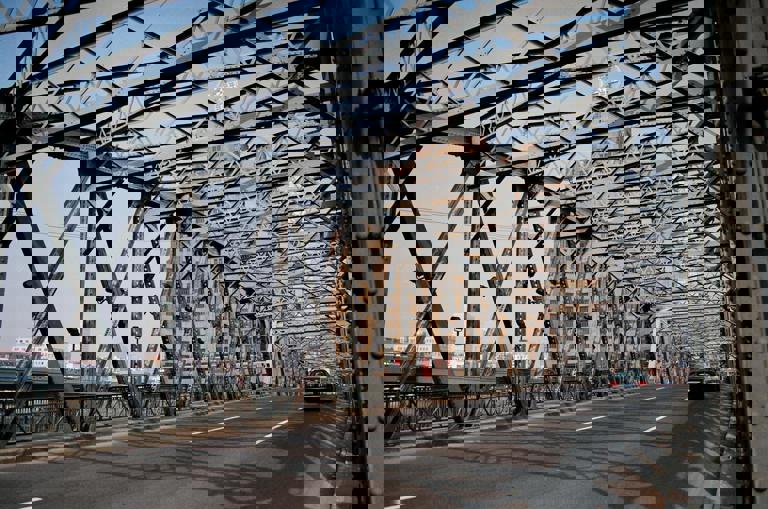
A critical bridge closure has plunged the city into a week of unprecedented commute delays, leaving motorists frustrated and searching for alternate routes. The bridge, a major conduit across the city’s bustling river, was closed early Monday morning to allow for essential structural repairs. With no advance warning to local residents and businesses, many commuters found themselves gridlocked as they attempted to navigate the newly imposed detours.
The repair project, slated to last a full seven days, is part of a long-term infrastructure initiative aimed at ensuring public safety. Officials with the Department of Transportation stated the bridge had shown signs of significant wear, necessitating immediate intervention. "We understand the inconvenience, but safety must come first," said Transportation Director Suzanne Clark. "The repairs are urgent to prevent more dangerous failures in the future."
As the news broke, social media became flooded with real-time updates and complaints from drivers stuck in lengthy backups. Hashtags like #BridgeChaos and #CommuteNightmare trended for hours, reflecting the widespread impact on residents across the city. Many drivers reported travel times doubling or even tripling, with some describing morning commutes that once took 20 minutes now stretching beyond an hour and a half.
The disruption extended well beyond private motorists. City bus lines reported massive delays, with commuters forced to wait for extended periods at stops. School districts scrambled to adjust schedules as parents struggled to get their children to class on time. "We’ve had to reallocate drivers and reroute several bus lines," described public transit manager Thomas Nguyen. "It’s a logistical challenge we’re working hard to address."
For many local businesses, the closure has meant dwindling customer traffic and late shipments. Restaurant owner Priya Singh observed a significant drop in lunchtime patrons. "People just can’t get here without sitting in traffic for ages," she explained. Delivery drivers also struggled; long delays made it difficult to guarantee on-time arrivals, leading to a cascade of complaints and lost revenue across several industries.
City officials have urged patience, encouraging residents to consider carpooling, remote work, or flexible hours wherever possible. Traffic management teams have been deployed throughout the detour zones, coordinating lights and posting additional signage to guide confused drivers. Despite these efforts, many believe the preparation did not go far enough. Resident Maria Lopez remarked, "They should have communicated better. It feels like we were ambushed by this closure."
Transportation planners acknowledged the unfortunate timing but contested that ongoing safety inspections made the sudden closure unavoidable. City engineer Daniel Moore explained, "We wish we could have given more notice, but postponing repairs would have greatly increased risk. We’re working around the clock to minimize the closure’s duration." The team aims to reopen the bridge by next Monday morning, contingent on favorable weather and repair progress.
Environmental advocates have also weighed in, noting the increased congestion has led to a spike in air pollution levels downtown. The city’s air quality index, typically moderate this time of year, has edged into the ‘unhealthy for sensitive groups’ range on several afternoons this week. Advocacy group Clean Air Now released a statement urging the city to expedite the repairs and invest in more robust public transit infrastructure to mitigate future problems.
With so many affected, the closure has become an unexpected rallying point for broader infrastructure investment. Civic leaders and community groups are using the heightened attention to push for increased spending on roads, public transit, and bike lanes. Mayor Brenda Hill announced a task force that will review the city’s most vulnerable transportation links and recommend priorities for next year’s budget.
Law enforcement has noted a sharp uptick in minor fender benders and road rage incidents in the areas surrounding the closed bridge. Police Chief Mark Evans confirmed that additional patrols have been assigned along key alternate routes to keep traffic flowing and respond quickly to accidents. "Our main concern right now is maintaining order and ensuring everyone’s safety during this challenging period," he said.
Traffic researchers have started gathering data on the impact of the bridge closure to better understand citywide travel patterns. Early findings suggest that average vehicular speed in the central district has dropped 30%, while use of bike-share programs has jumped 15% as residents seek alternative ways to avoid gridlock. This data will help city officials refine future emergency closure protocols and improve communication with the public.
Despite the frustrations, some residents are trying to view the closure as an opportunity to reimagine their daily routines. Marketing executive Jamie Farrell shared, "I’ve started working from a café near my home, and it’s forced me to rethink my schedule and priorities." Others note a renewed sense of community as neighbors coordinate carpools or share traffic updates. Whether this spirit lasts beyond the reopening remains to be seen, but city leaders hope to harness the momentum for positive change in urban mobility planning moving forward.